
Your Crown Looks Fuller
You can sit down without wondering if somebody behind you is staring at the top of your head.
What You're Actually After.
Imagine Not Thinking
About Your Hair All Day.
Walking past a mirror without glancing at your crown. Sitting in the sun without worrying about your scalp showing. Picking each style for the look you want, not for what it covers.
Just feeling good about your hair again.



That's the outcome we're working toward. Not simply giving your hair loss a name, but helping you change what you're seeing.
Why Seeing It Early Matters.
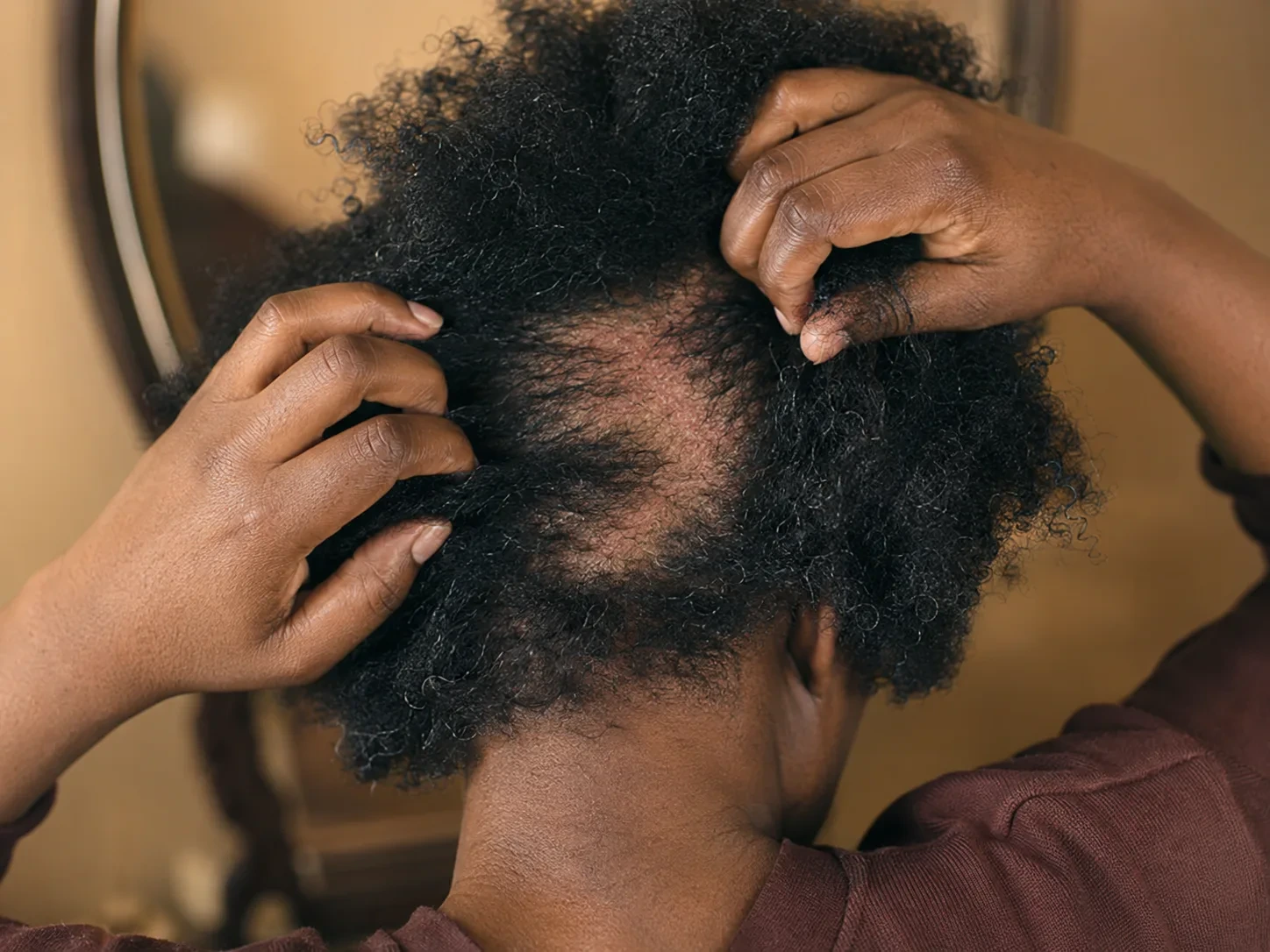
What Early CCCA Looks Like
Before It Looks Like Anything.
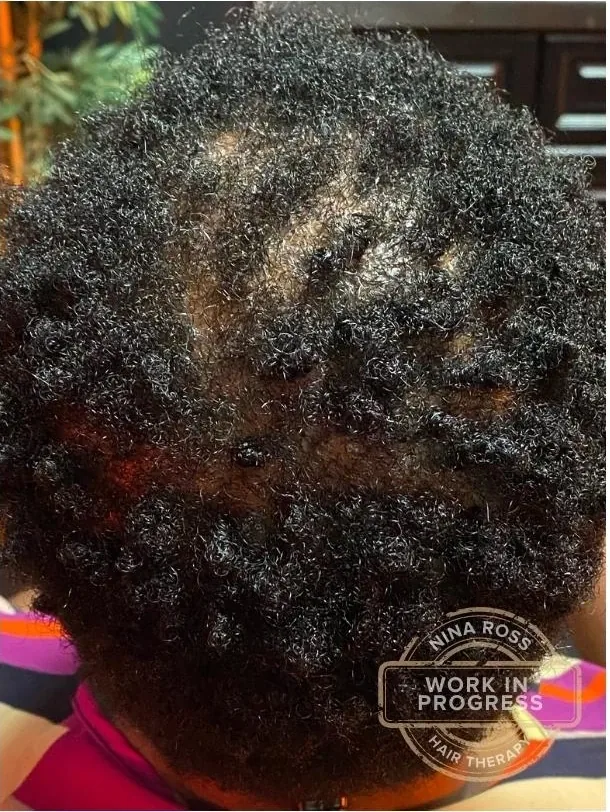
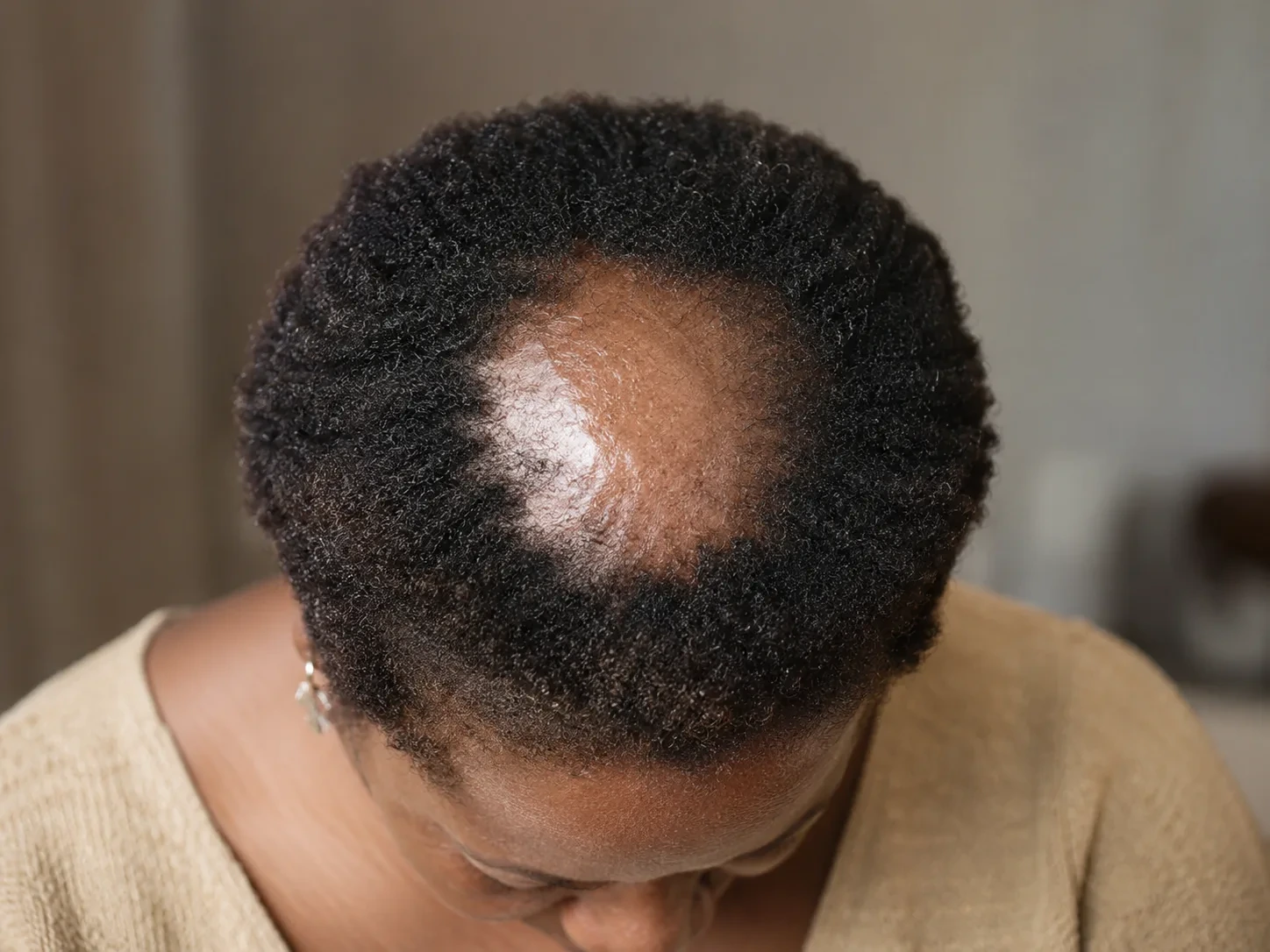
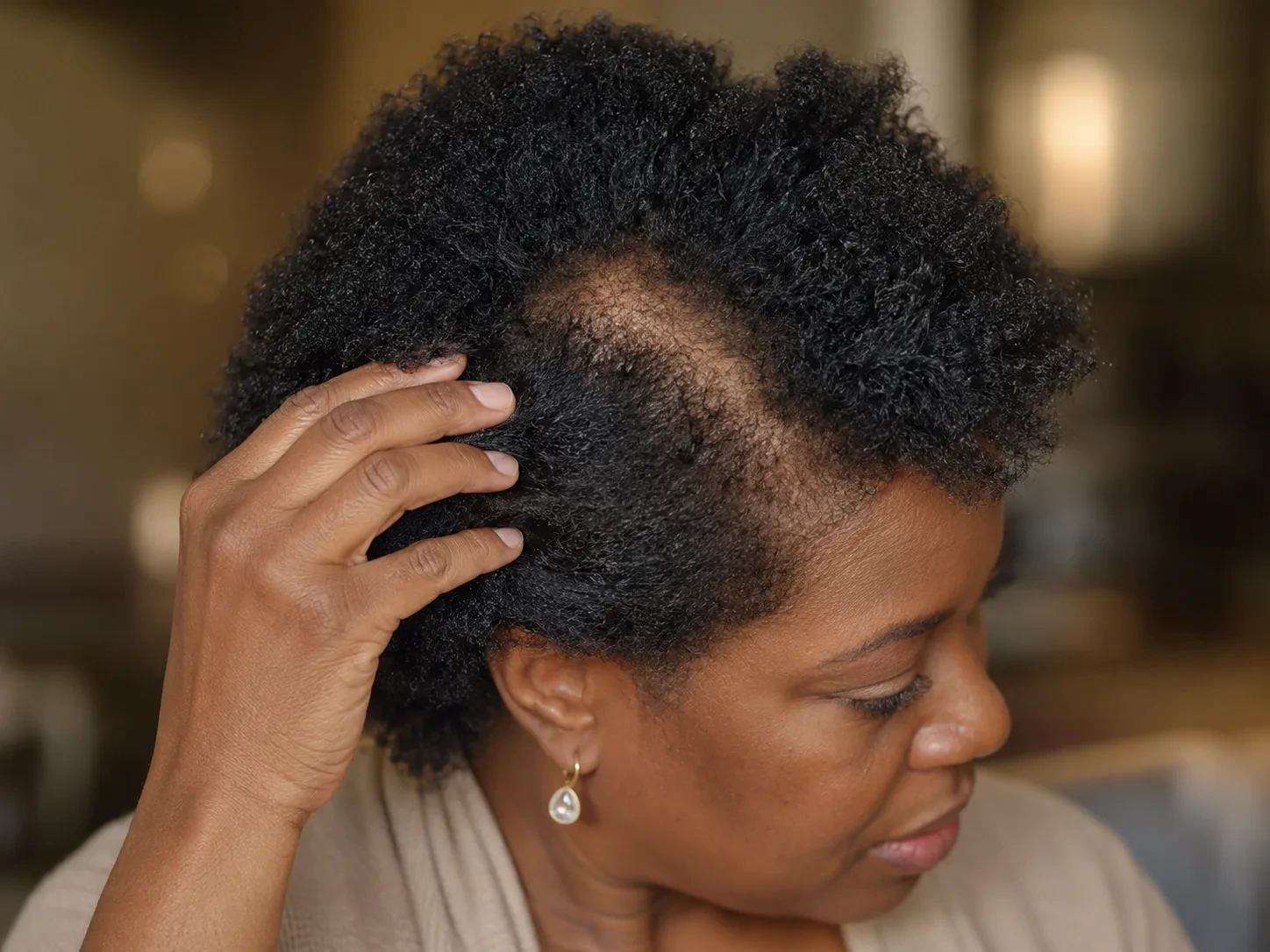
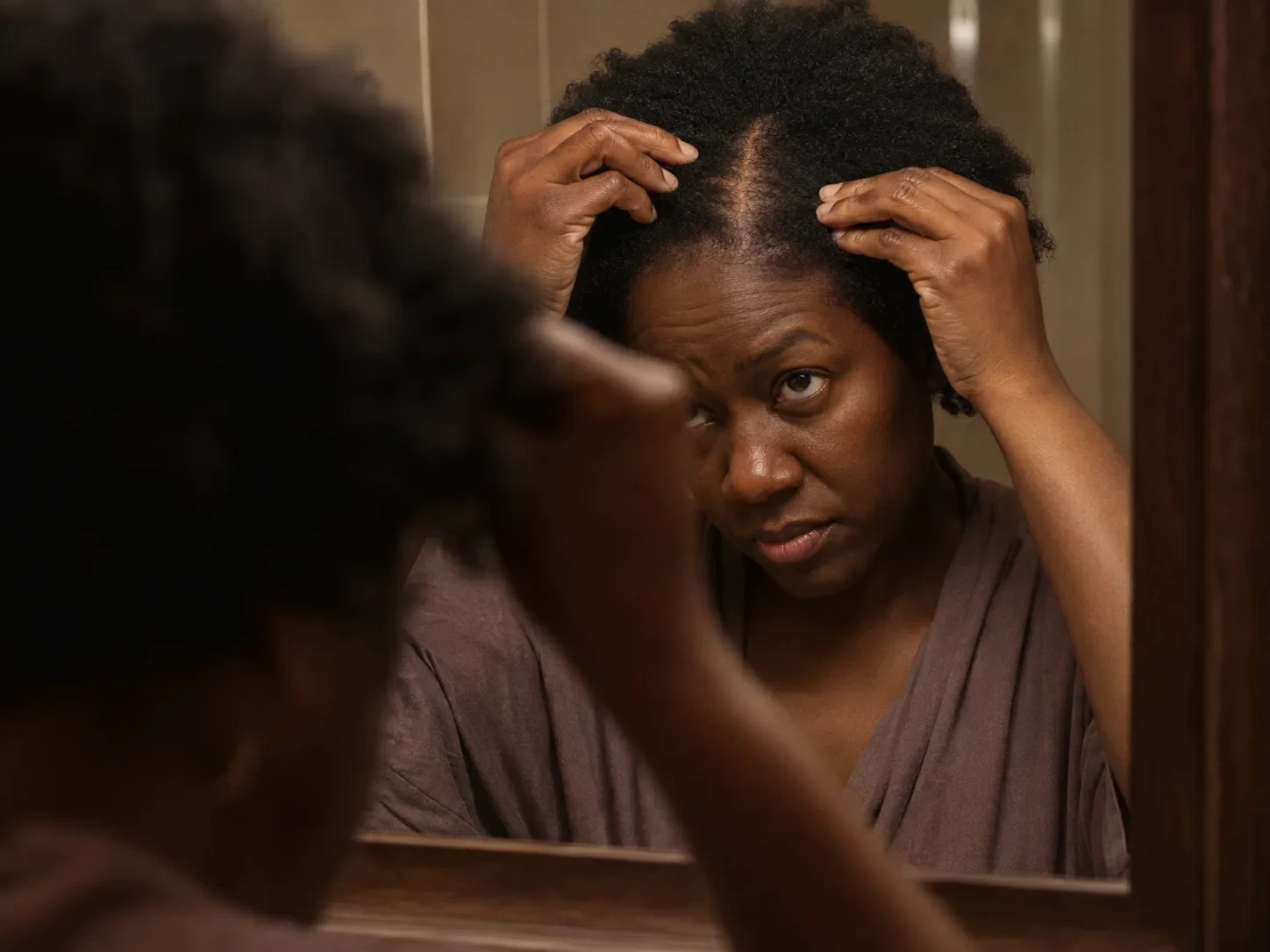
By the time the center of your crown shows in a photo, CCCA has usually been working for a while. The early version is quieter. It gets blamed on the style, the weather, or stress, and it gets missed.
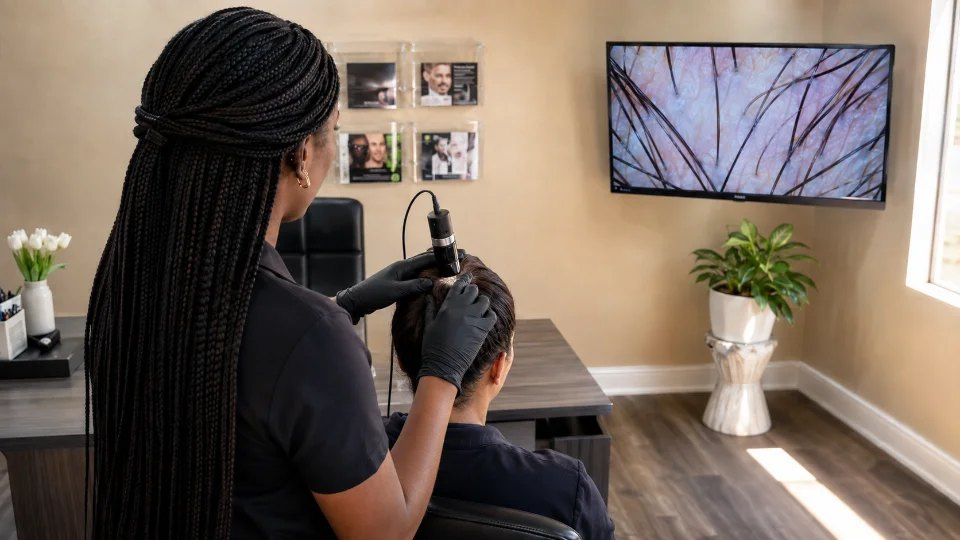
Here is what to notice, and what we look for at 200x.

The Honest Part
Follicles that have already scarred do not regrow. We would rather tell you that plainly than let you spend a year hoping. The goal of catching CCCA early is protecting the follicles that are still active, and there are usually more of them than you think.
You do not need a diagnosis to come in. You need to have noticed something.
If any of these sound familiar, the next step is a look at 200x, on screen, while you watch.
Real CCCA Cases.
What Protecting
What's Left Looks Like.
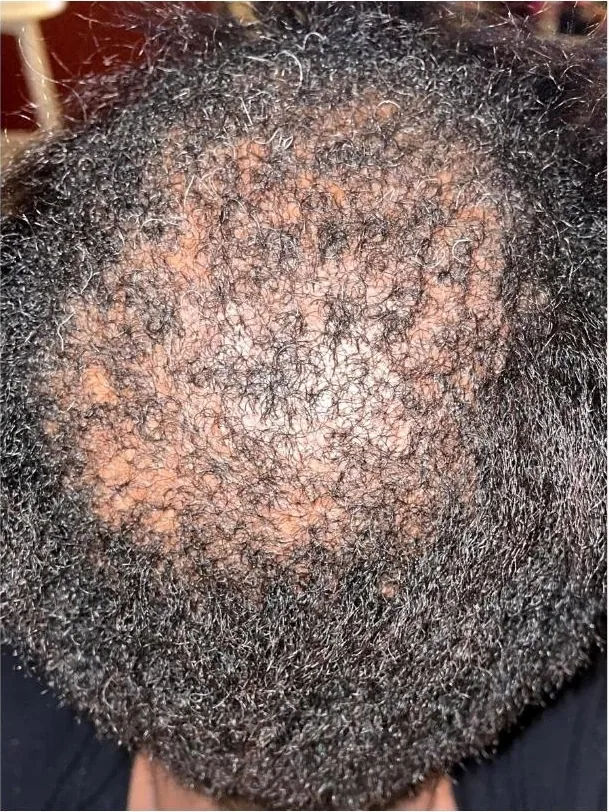
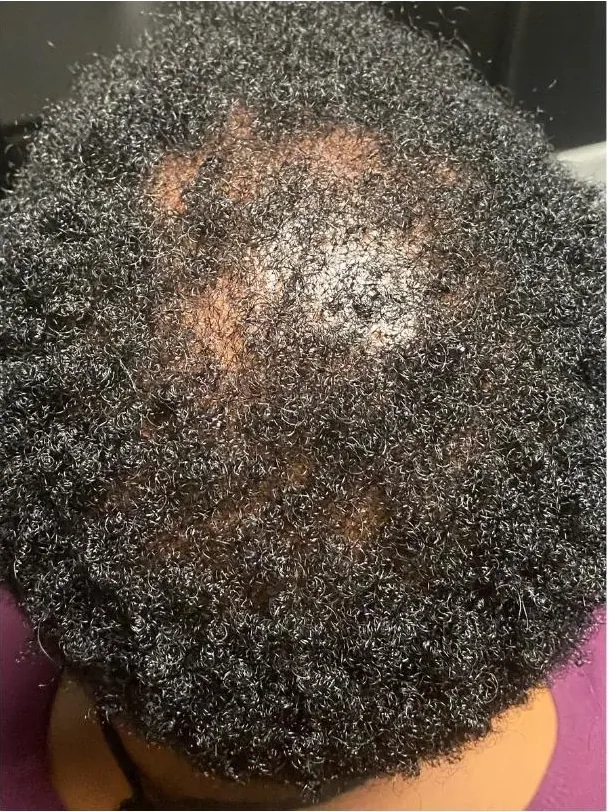
With CCCA, the goal is holding the ground you still have and letting the follicles that are still active fill back in around it. The middle panel in each case is the part most people never get to see.
Same angle. Same lighting. Honest timelines.
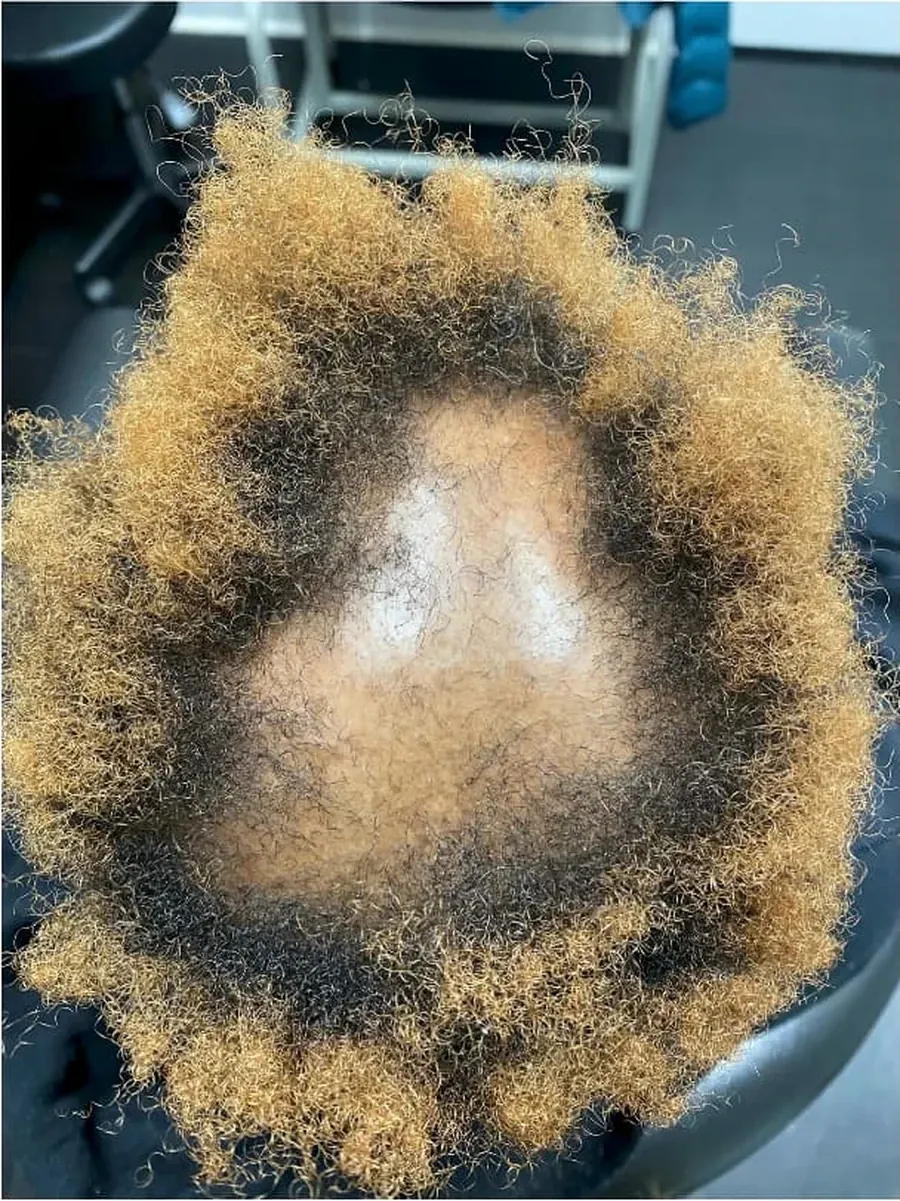
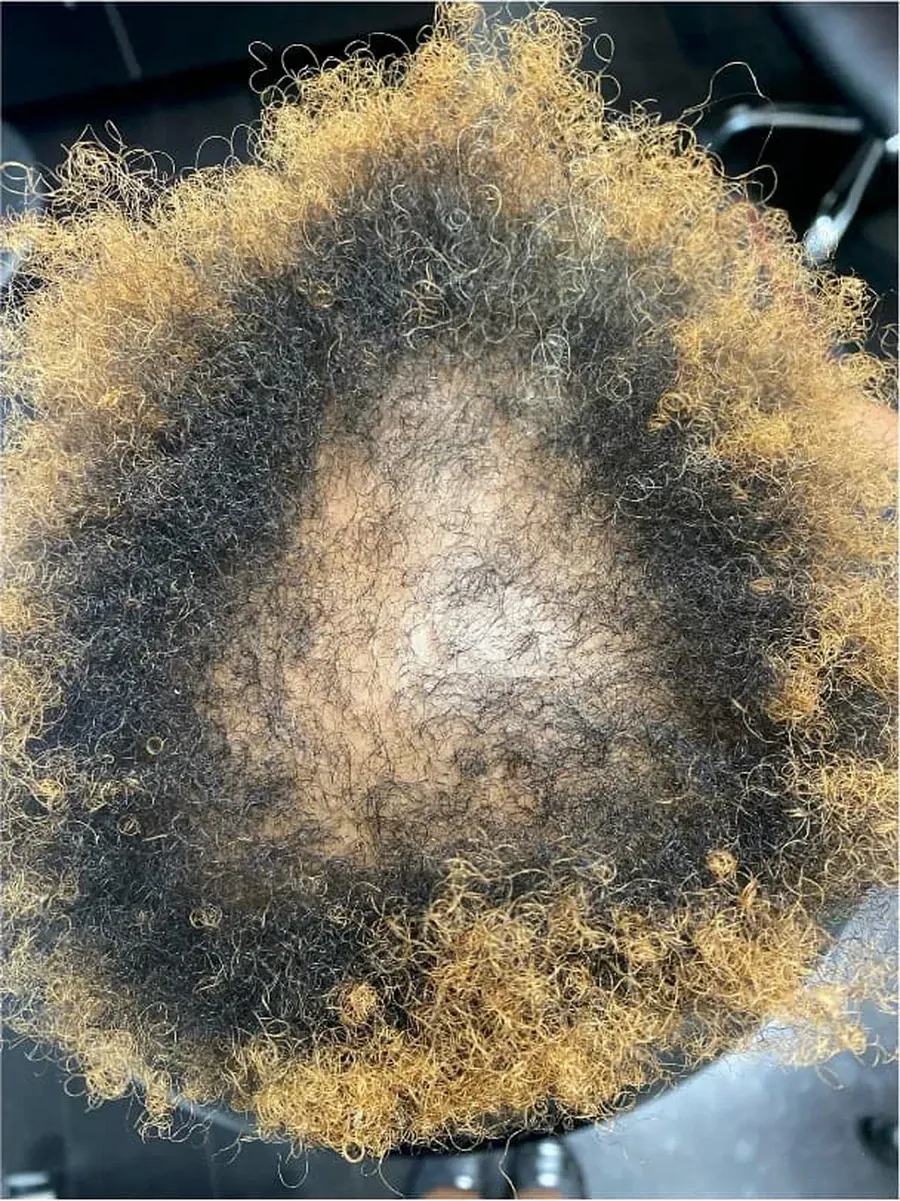
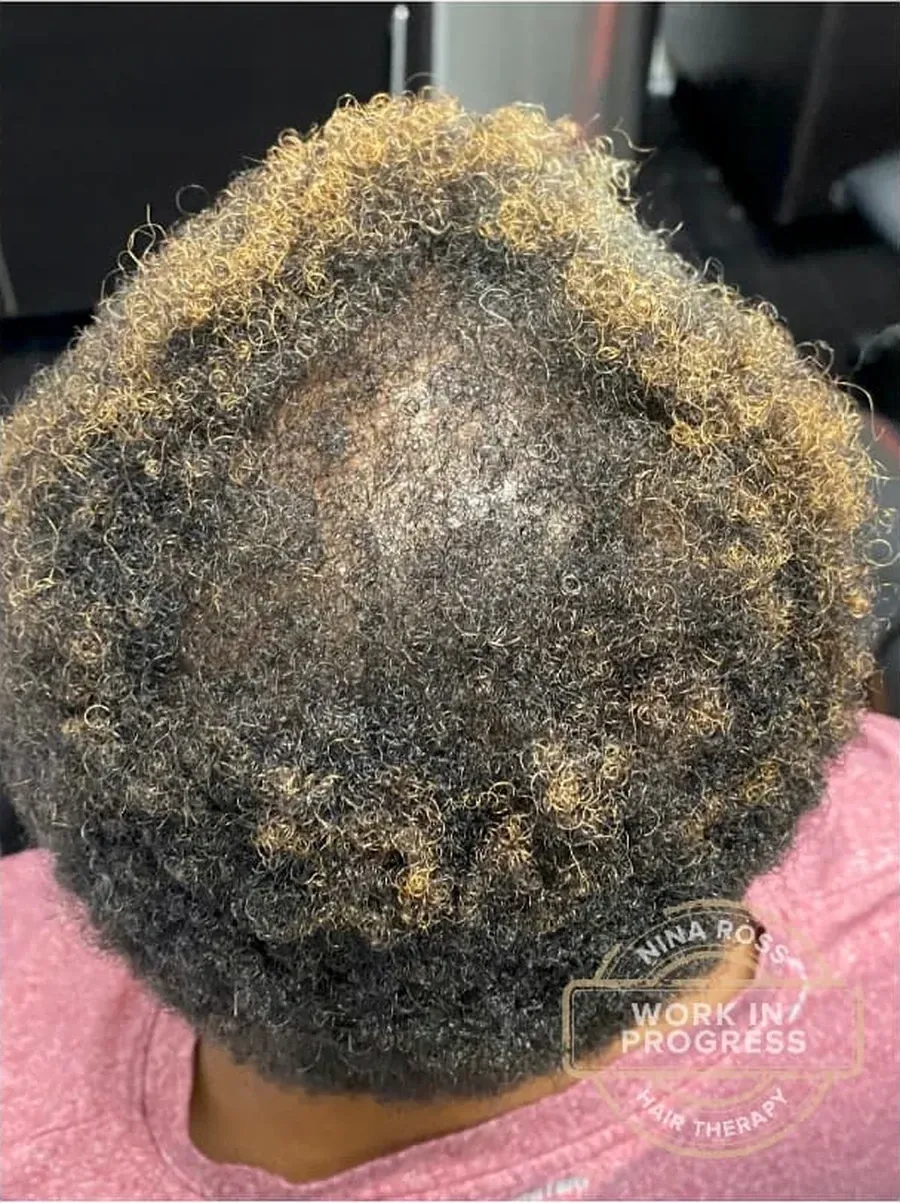
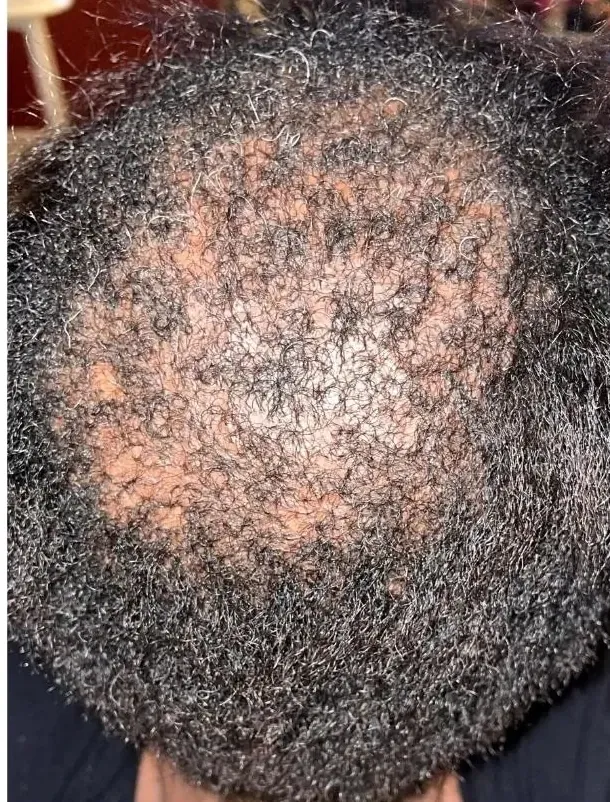
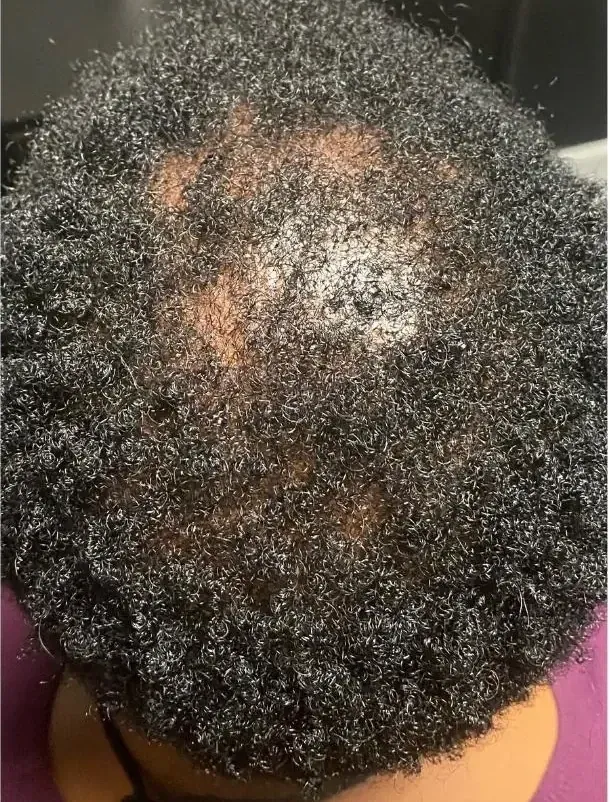
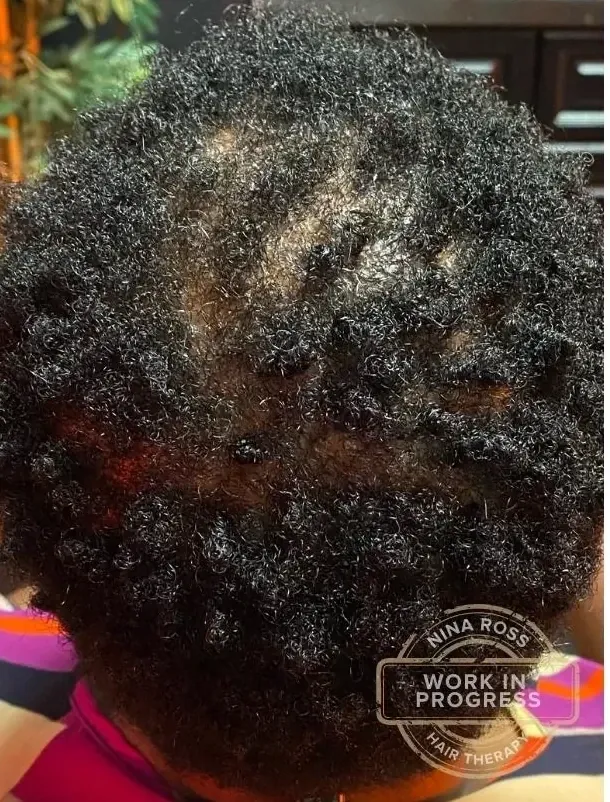
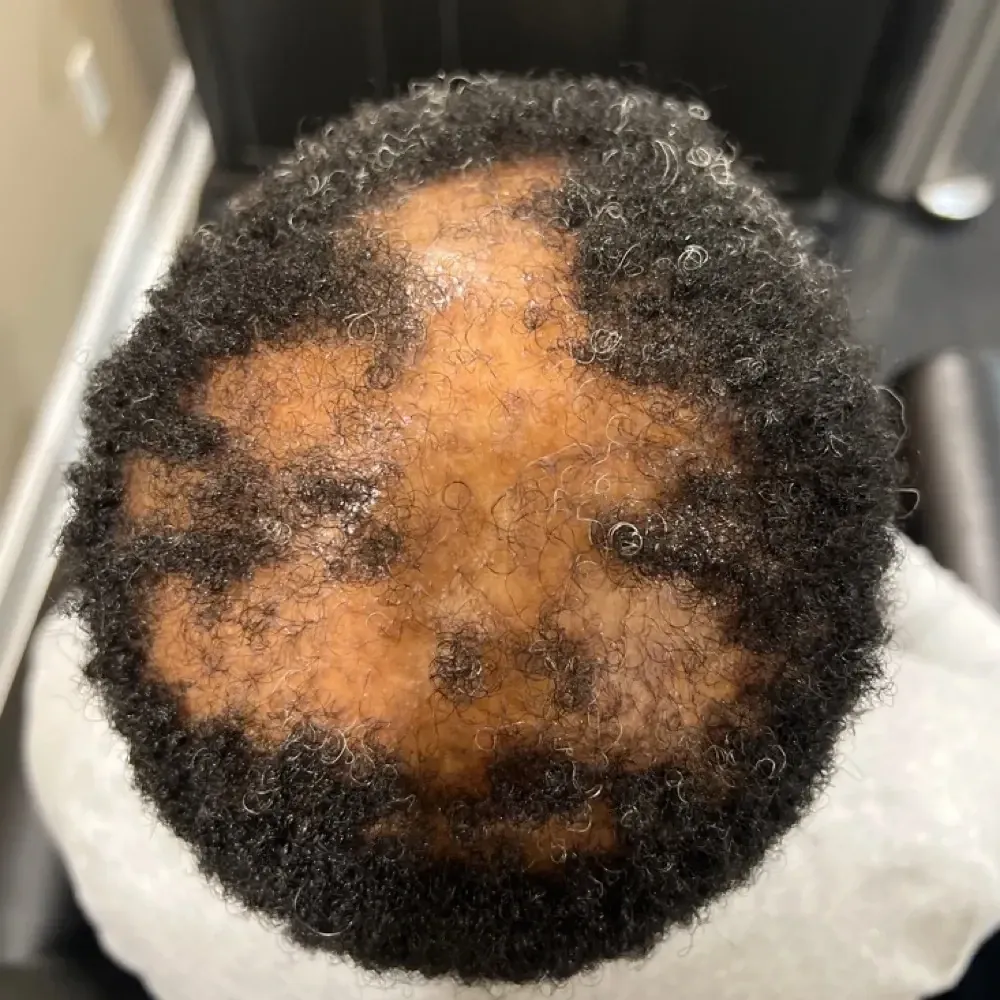
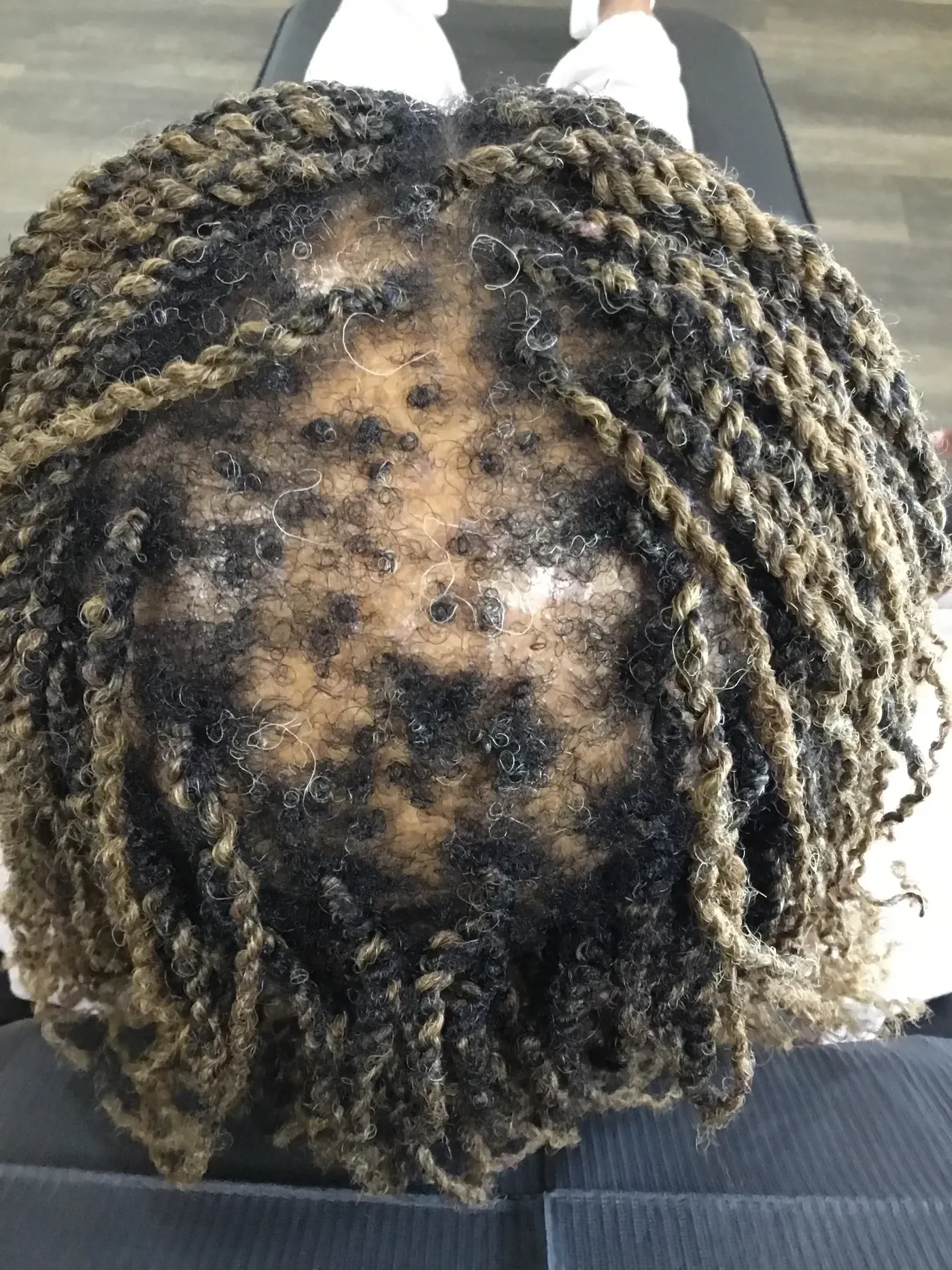
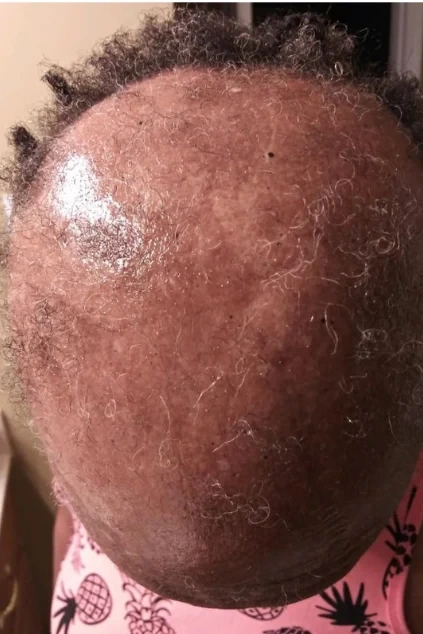
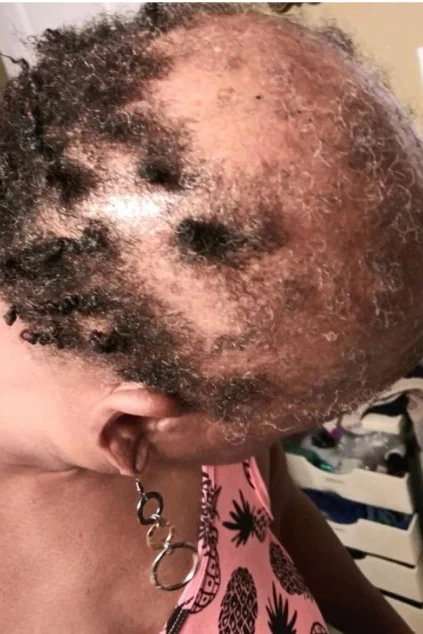
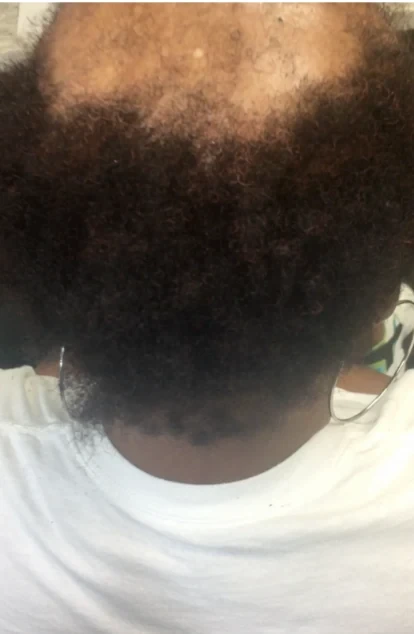
Results not typical. Individual results will vary. Scarred follicles do not regrow. What changes in cases like these is the area around them, where follicles were still active when we started.
Start With What You See.
Which One Sounds
Like Your Crown?
Tap the one that sounds like you and the booking calendar opens right here. No form in between.
“The center of my crown is going.”
It started as one small spot at the top and it has been quietly getting wider.
“My part is spreading outward.”
You keep moving where you part it because the widening keeps following you.
“My scalp feels tender when I part it.”
Soreness, tingling or burning at the crown that shows up without any flaking.
“I was told it's CCCA and nothing else.”
You got the name of it and left with no idea what it means for the hair you still have.
You do not need a diagnosis before you come in.
Start with what you are seeing at your crown. We will read the rest at 200x.
Book My $99 Hair & Body DiscoveryWhy a standard dermatology visit stops at the scalp.
The Problem Was Never Just On Your Head.
Dermatology focuses on the skin of your scalp. Trichology looks wider: the strand, the follicle, your hormones, nutrition, stress load and hair history. Dr. Nina examines every layer a topical can't touch.
You weren't treating it wrong. You were treating the wrong layer.
Watch: Website Introduction 2026
Same Thinning. Six Different Causes We Check.
Lack of vitamins
Iron, ferritin, zinc and B vitamins. Your follicles are picky eaters, and "normal" on a lab sheet isn't always normal for hair. We read the real levels.
Stress
Stress pushes follicles into early shedding and slows regrowth for months. We read the pattern and help your scalp find the calm it needs to grow again.
Unhealthy habits
Sleep, water, how tight you pull your hair and how often you touch it. Small habits quietly add up, so we connect the dots before your routine works against you.
Hormone imbalance
Thyroid, estrogen and androgens quietly steer the growth cycle. When they shift, the crown and hairline are often the first place it shows.
Medication side effect
Some prescriptions list hair loss so far down the side effects that nobody connects it. We review what you're taking so we know whether it's a factor.
Autoimmune
When your immune system turns on your follicles, loss can come in patches or spread fast. We catch the pattern early so more hair stays protected.
Before we talk treatment, we find out why. And you see it for yourself.
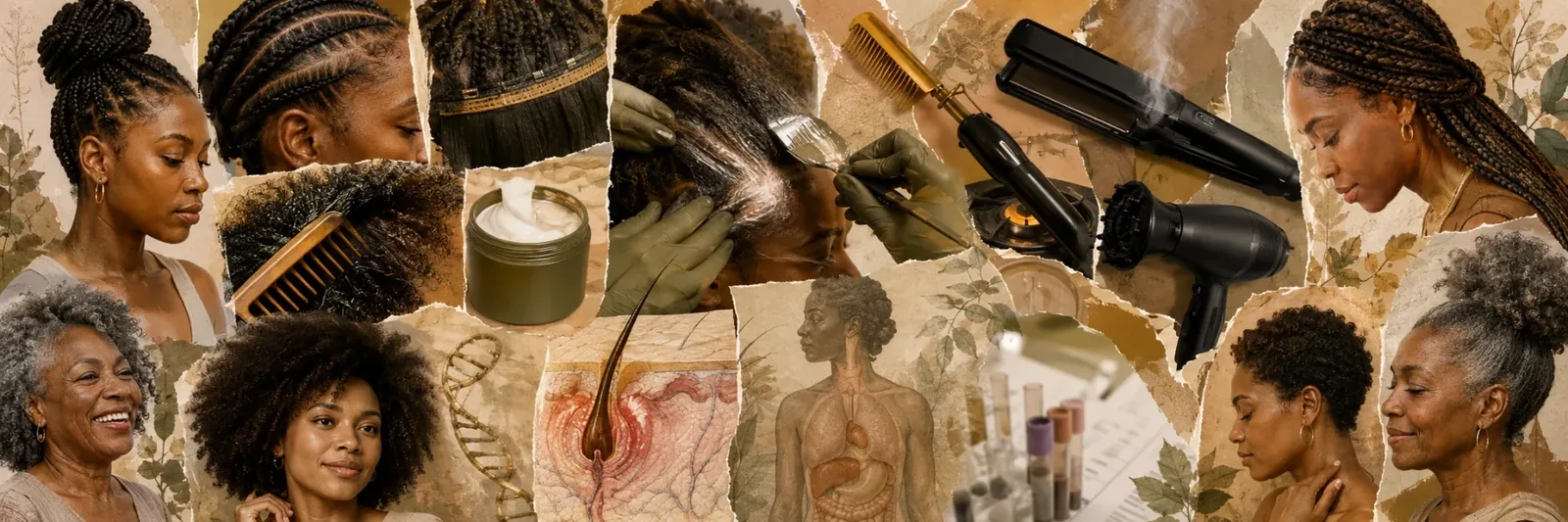
This Is The Hair We Work With Every Day.
Why CCCA Affects Black Women Disproportionately
CCCA is the most common scarring alopecia in Black women. It starts at the center of the crown and moves outward in a widening circle, which is what "centrifugal" means. The reasons it shows up in us more than anyone else are still being studied, and honest people say so.
You shouldn't have to explain any of this to the person treating it.


Want the full condition explainer before you book? What is CCCA → · Related: Lichen planopilaris →
Black Trichologist In Atlanta →The Part Nobody Explains To You.
How We Diagnose CCCA: Trichoscopy Versus Biopsy.
A biopsy answers the question by removing tissue. Trichoscopy answers a lot of it by magnifying your scalp 200 times, live, while you watch, and it can be done at your first visit.
Reading those three apart early is the whole game, because the treatment plan for each one is different and the window for protecting active follicles is not open forever. When trichoscopy leaves a real question, a biopsy is the right next step and we will tell you so plainly. Everything else is handled in-house.
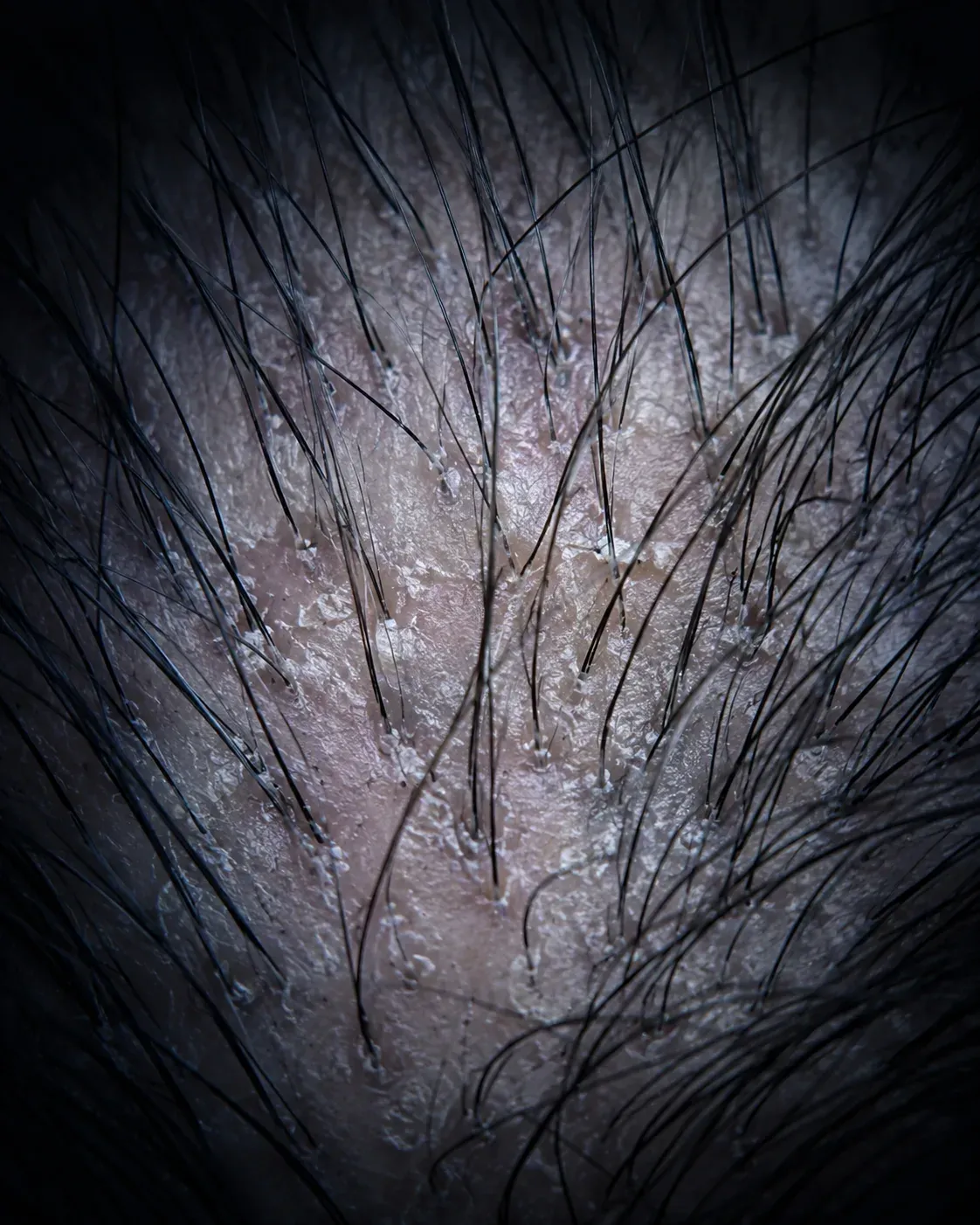
200x magnification.
See which follicles at your crown are still active.
Your First Step.
Let's Find Out Which Follicles Are Still Active.
If you have been reading about CCCA at midnight and checking the same spot at your crown every week, this is where guessing gets replaced with a real look at what is happening.
Everything You Get.
The $99 Hair & Body Discovery.
One visit. You see what's happening. Next day, it's in writing.
One-On-One Scalp Health Session
With a certified trichologist.
200x Magnification Read Of Your Scalp
On screen, while you watch.
A Full-Body Biofeedback Scan
The Part Nobody's Ever Given You
Your Hair & Body Discovery Report
Delivered the next day.
No Prep
One Visit
Same Week
No Judgment
Serving All Of Metro Atlanta
Our Promise
You'll walk out actually seeing what's going on: your scalp at 200x, the systems behind it, and your report the next day. If you don't, the $99 is on us.
The Doctor Behind The Method.
Meet Dr. Nina Ross.

“With CCCA, the honest conversation is the treatment plan. Tell her what is still alive, then protect it.”
Dr. Nina Ross, ND
Dr. Nina Ross, ND, Double Board Certified Trichologist.
She built this practice for textured hair after years of women arriving with the same story: told it was stress, given a prescription, and never asked about relaxers, braids or heat.
Her work sits where trichology meets functional medicine, which is why a CCCA visit here reads your scalp at 200x and what your body may be doing underneath it.
- Double Board Certified TrichologistTextured hair is the focus of the practice, not a subspecialty.
- PhD In Functional Drugless MedicineHormones, nutrients and inflammation read as part of the picture.
- Naturopathic And Functional Medicine ApproachHer whole-person training shapes every protocol used by the team.
- 10 Years Of Specialized CareEvaluations are performed by certified trichologists, with clinical direction by Dr. Nina Ross, ND. 2,500+ clients seen.
From Metro Atlanta Clients.
Finally Knowing What Was Happening At Her Crown.
Most women arrive after years of being told it was stress or breakage. Here is what it felt like to see the crown at 200x and leave with a plan.
“I had tried everything for years. Nothing worked. Within months at Nina Ross, I saw new baby hairs. At 40 weeks, I had the confidence I thought I lost forever.”
Coretta, Atlanta
“Doctors told me nothing could be done. Nina Ross slowed my CCCA and actually gave me new growth. I only wish I had started sooner.”
Tasha, Decatur
“I was skeptical after wasting money elsewhere. The scalp imaging alone told me more than two years of guessing.”
Danielle R., Sandy Springs
Reviews are shared with client permission. Individual results vary.
Areas We Serve.
CCCA Care Across Metro Atlanta.
Our office sits just off GA-400 in Sandy Springs, minutes from the Perimeter, with free parking at the building. Clients drive in from all over the metro because a trichologist who reads CCCA at 200x every week is hard to find. Serving all of Metro Atlanta.
01Sandy SpringsOur home. Off GA-400 near the Perimeter.
02Atlanta20 to 30 minutes from Midtown and Buckhead.
03DunwoodyUnder 10 minutes.
04BrookhavenAbout 15 minutes.
05RoswellAbout 15 minutes via GA-400.
06MariettaAbout 25 minutes via I-285.
07DecaturAbout 30 minutes via I-285.
08AlpharettaAbout 20 minutes via GA-400.
Related reading: what CCCA is, seeing a Black trichologist in Atlanta, lichen planopilaris, PRP therapy and red light therapy.
Questions, Answered.
What Women With CCCA
Ask Us Most.
If your question isn't here, call us and ask. You will talk to a real person.
Can hair grow back after CCCA?
Partly, and the honest answer depends on the follicle. Follicles that have already scarred do not regrow, and no treatment changes that. Follicles at the edge of the affected area that are still active can often be protected and can fill back in. That is exactly what the 200x read is for: telling you which is which before you spend a year hoping. Results not typical. Individual results will vary.
How do you know it's CCCA and not something else?
At 200x we look for peripilar haloes around the shafts at the crown, single hairs where groupings should be, and loss of follicular openings radiating outward from the vertex. Traction alopecia sits at the margins with a retained fringe. Lichen planopilaris shows tubular scaling wrapping the emerging shaft. When trichoscopy leaves a real question, a biopsy is the right next step and we will say so.
Do I need a biopsy before I come see you?
No. Come as you are, with or without a diagnosis. We start with your history and a 200x read of your scalp, and if a biopsy would change the plan we will tell you that at the visit.
I was told it's CCCA and given a prescription. What else is there?
A plan. Naming the condition is the first part. The second part is calming the inflammation around the follicle, protecting the areas that are still active, and reading the whole-body factors that show up often in this population, such as thyroid, iron and blood sugar. Everything is handled in-house and we never refer out.
Where are you and how far is it from the rest of Metro Atlanta?
8735 Dunwoody Place, Suite 290, Sandy Springs, GA 30350, just off GA-400 near the Perimeter, with free parking at the building. Clients travel to us from Atlanta, Dunwoody, Brookhaven, Roswell, Marietta, Decatur and Alpharetta. Serving all of Metro Atlanta.
Your First Step.
Imagine Your Crown Holding, And Then Filling In Around It.
Parting your hair without bracing for what you will see. Wearing it up because you feel like it. Watching the same photo angle look better instead of worse.
Your first step isn't committing to months of treatment. It's finding out which follicles at your crown are still active, while they still are.
Book My $99 Hair & Body Discovery
$99 · 30 minutes · Serving Greater Atlanta
(678) 561-4522
8735 Dunwoody Place, Suite 290 · Sandy Springs, GA 30350